

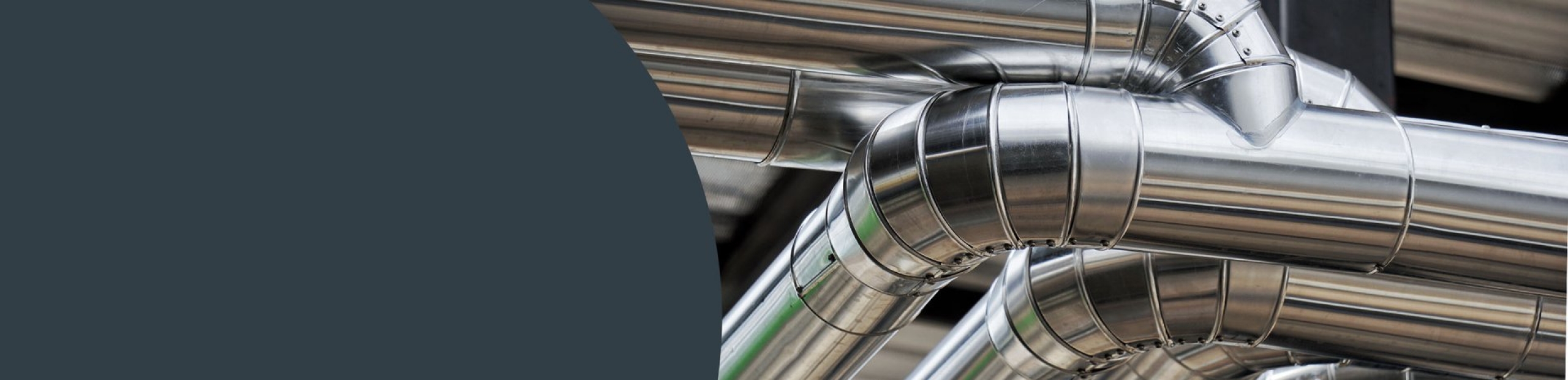
Sheet Metal Cladding Installation
- Professional sheet metal cladding installation
- Made to fit your pipes, ducts and tanks
- Commercial, industrial and process sites
- Experienced cladding engineers
You’re in good company. We’ve worked with the following commercial clients… View all













Sheet Metal Cladding Installation
Metal Cladding for Pipes, Ducts and Tanks
Insulation only works while it stays dry and in one piece. Outdoors, rain soaks it and sunlight breaks it down. In plant rooms, it gets knocked, stood on and damaged by other trades. Once insulation is wet or crushed, it stops working, and you're back to paying for lost heat.
Rated on Google


We’re leading the way for sheet metal cladding installations in London and Kent.
ICE Thermal installs sheet metal cladding over pipe, duct, tank and vessel insulation for commercial and industrial sites across the UK. We fit aluminium, stainless steel and coated steel cladding that keeps insulation dry, protects it from damage and leaves a neat, hard-wearing finish. Every job starts with a free site survey, so each area gets the right metal, thickness and fixings.
Call 02033764802 or contact enquiries@icethermal.co.uk to talk to us about cladding your pipework or plant.
Our sheet metal cladding installation treatment process

Step 1 Contact
To book a free, no-obligation site survey, call us on 02033764802 or email us at enquiries@icethermal.co.uk.
A member of our friendly support team will get back to you to talk through your sheet metal cladding needs. To help us plan, it's useful to know:
- What needs cladding, such as pipework, ductwork, tanks, vessels or plant
- Whether it's indoors, outdoors or on a roof
- Whether the insulation is new, existing or still to be fitted
- Roughly how much there is and where it runs
- Any metal or finish you have in mind, such as aluminium or stainless steel
- Any problems you've noticed, such as dented, loose or leaking cladding
- Any deadlines, project programmes or specifications we need to work to
Photos and drawings are helpful if you have them, but they're not essential. Where we can, we'll give you an early idea of cost over the phone or by email. We'll then book a site survey at a time that suits you.

Step 2 Quote
One of our engineers will visit your site to carry out a full survey, following all health and safety rules. They'll measure every run of pipe, duct and vessel in scope, along with the insulation thickness underneath. They'll also record every bend, tee, reducer, valve, flange and support, and photograph any awkward shapes that need bespoke parts.
We'll check the condition of the insulation the cladding will cover. If it's wet, crushed or damaged, we'll recommend replacing it first, so problems aren't sealed in under new metal. We'll also look at how exposed each area is to rain, wind, sunlight, knocks, foot traffic and cleaning. This helps us choose the right metal, thickness and fixing method. If we find anything that might contain asbestos, we won't disturb it. Instead, we'll flag it so you can arrange a specialist survey.
We'll carry out a risk assessment at the same time, so nothing unexpected comes up once work starts. This covers access, working at height on roofs and in plant areas, hot surfaces, other trades on site and any site rules or permits.
Our team will then recommend the best approach for your site and answer any questions you have. You'll receive a free, detailed quote showing:
- The metal type for each area, such as aluminium, stainless steel or coated steel
- The sheet thickness and any embossed or coloured finish
- Every run, fitting and bespoke part included
- Weather hoods, collars and flashings where pipes and ducts pass through walls or roofs
- Removable boxes for valves and inspection points
- Any insulation repairs needed before cladding goes on
- The access equipment needed and a likely timeframe for the job
There's no obligation to go ahead, and the quote is yours to keep.

Step 3 The works
Before we start, we'll send you our risk assessments and method statements (RAMS). We'll agree working areas, start times, access and any permits with you, so everyone on site knows what to expect.
Our fully trained engineers will arrive on time, in uniform and with ID badges, ready to begin. Bespoke parts, such as bends, tank ends and valve boxes, are fabricated to the survey measurements. Simpler pieces are cut and rolled on site. Each sheet is fitted tightly over the insulation and fixed with screws, rivets or bands. Every joint overlaps the next in the right direction, so rain and cleaning water run off rather than in. Outdoors, we seal joints where needed and fit weather hoods and flashings at wall and roof crossings. We also use fixings that are compatible with the cladding metal to help prevent corrosion.
Cladding goes over the outside of the insulation, so your systems can keep running while we work. We'll keep a safe, tidy working area for everyone on site at all times. Noisy cutting is kept away from occupied areas where possible. We can also work early, late or at weekends to keep disruption to a minimum.
When the work is finished, our team will walk the job with you and check that you're happy with every area. We'll leave your site safe, clean and tidy, with all offcuts, swarf and waste removed and disposed of properly.

Step 4 After care
Here at ICE Thermal, we go the extra mile to make sure every client is happy.
When the job is complete, you'll receive a handover pack that includes:
- The metals, thicknesses and finishes used
- Product details for any sealants and fixings
- Photos of the finished cladding
- A note of all removable boxes and access points
Keep this pack with your building records, as it's useful for audits, insurers and any future maintenance on site.
Our dedicated customer service team will be in touch after the job to make sure all your expectations have been met. If anything isn't right, we'll come back and put it right. If any cladding gets damaged in the future, we can make matching replacement parts. We can also help with what comes next, such as pipe labelling or a condition and heat loss survey of other areas of your site.
You'll also be given the opportunity to leave a Trustpilot review, so other customers can hear about your experience.
Our helpline is open 9:00 -17:30 Monday-Friday
When calling please have
the following ready:
- Your Name
- Company Name (if applicable)
- Site Postcode
- The problem you're having
- Email Address
Get a Quote
FAQs
The basics
When do you need sheet metal cladding?
It's the best choice for outdoor pipework, rooftop plant, plant rooms and anywhere insulation is likely to get knocked or wet.
What is sheet metal cladding for insulation?
It's a hard outer shell of aluminium or steel sheet fitted over insulated pipes, ducts and tanks. It protects the insulation from weather, knocks and water.
Materials and methods
How do you choose the thickness of the metal sheet?
It depends on the pipe or duct size, how exposed it is and how much impact it might take. We use thicker sheet in high-traffic and outdoor areas.
How is sheet metal cladding fixed in place?
Sheets are rolled to fit, overlapped and fixed with screws, rivets or bands. Joints overlap so that water runs off rather than in.
Standards and compliance
How do you keep cladding work at height safe?
We plan all work at height in our RAMS and use suitable access, such as scaffolds or powered platforms. Our teams are trained to work safely at height.
Is sheet metal cladding suitable for food and pharmaceutical sites?
Yes. Stainless steel cladding is smooth, tough and easy to clean, so it suits sites with strict hygiene rules.
Estimates and charges
Does cladding outdoor pipework cost more than indoor?
Often it does. Outdoor work may need extra sealing, weather hoods and access equipment, which adds time.
How much does sheet metal cladding cost?
It depends on the length of pipe or duct, the number of bends and fittings, the metal type and access. We'll give you a clear quote after a free site survey.
On the job
Can you clad pipework in a working plant room?
Yes. Cladding goes over the insulation, so your systems can keep running while we work.

Why choose us?
- Cater to domestic, commercial, and industrial facilities
- Nationwide coverage
- A site survey can be provided prior to quotation
- A bespoke service designed to suit all your needs
- All operatives hold professional health and safety qualifications
We’re fully accredited
We take health and safety, our professional expertise and our legal obligations very seriously. You can view a list of our accreditations below or visit our Health & Safety page for more information.


What is sheet metal cladding?
Sheet metal cladding is a thin metal outer layer fitted over insulation. You may also hear it called insulation cladding, pipe cladding or metal jacketing.
The insulation underneath does the job of keeping heat in or out. The cladding protects it. It stops rain getting in, takes the knocks and gives a clean finish that's easy to wipe down.
On outdoor pipework and rooftop plant, cladding is usually a must. Indoors, it's used wherever insulation needs to stand up to damage, cleaning or foot traffic.
Sheet metal cladding services we offer
- Pipe cladding for heating, chilled water, steam and process pipework
- Ductwork cladding, including outdoor and rooftop ducts
- Tank, vessel and calorifier cladding, including tank ends
- Removable cladding boxes for valves, flanges and pumps
- Weather hoods, collars and flashings where pipes pass through walls and roofs
- Re-cladding of old, dented or leaking cladding
- Replacement panels to match existing cladding
For bends, tees and other made-to-measure parts, see Sheet Metal Fabrication. If you need a lighter finish indoors, see Non-Metal Finishes.
Metals we use
The right metal depends on where the cladding goes and what it needs to stand up to. We mostly use:
- Aluminium. Light, easy to shape and resists corrosion. A common choice for indoor and outdoor pipework.
- Stainless steel. Very tough and easy to clean. Suits food, pharmaceutical and harsh outdoor sites.
- Aluzinc and galvanised steel. Strong, coated steel for areas that take more knocks.
- Embossed or coloured finishes, where appearance matters.
We'll explain the options during the survey and tell you why we recommend each one.
What's included
- A free site survey, with every run, fitting and the insulation condition recorded
- The right metal and sheet thickness for each area
- Made-to-measure parts for bends, tees, tank ends and valves
- Overlapped joints that shed water, sealed where needed outdoors
- Fixings that suit the cladding metal, to help prevent corrosion
- Weather hoods and flashings at wall and roof crossings
- Removable boxes at valves and inspection points
- A handover pack with photos and the materials used
- Clean-up and removal of all offcuts and waste
Key benefits of sheet metal cladding
- Keeps insulation dry. Overlapped joints shed rain, so the insulation keeps working.
- Protects against damage. Takes the knocks, ladders and foot traffic that would crush bare insulation.
- Stands up to the weather. Metal copes with sun, wind and rain far better than bare insulation.
- Easy to clean. A smooth, hard surface suits plant rooms, kitchens and food sites.
- Neat finish. Clean lines that look right in areas people can see.
- Easy access. Removable boxes let engineers reach valves without stripping insulation.
- Lower running costs. Dry, undamaged insulation keeps heat loss down.
When do you need sheet metal cladding?
Most sites call us for one of these reasons:
- New insulation is going in outside or on a roof
- Existing cladding is dented, loose, corroded or letting water in
- The insulation underneath is wet or keeps getting damaged
- Plant rooms see heavy traffic or need regular cleaning
- A specification or M&E design calls for metal cladding
- Pipes or ducts pass through walls or roofs and need weatherproofing
Not sure if the insulation under your cladding is still dry? A Thermal Imaging Survey can show where heat is escaping without stripping anything back.
Looking after your cladding
Good cladding needs very little care, but a few simple checks help it last. Look over outdoor cladding once a year, and after storms, for dents, loose sheets and open joints. Check plant rooms after other trades have been in, as cladding is often removed for repairs and not put back properly.
Always refit removable valve boxes after maintenance. If a sheet gets damaged, replace it quickly, before rain gets into the insulation underneath. We can make matching replacement parts, so repairs blend in with the original work.
Cladding for new-build and refit projects
We work as a specialist subcontractor for main contractors and M&E firms, and directly for building owners and facilities teams. On new projects, we clad pipework, ducts and plant to your specification and programme, working alongside the insulation and mechanical trades.
On existing sites, we can re-clad live systems without shutting them down, because cladding goes over the outside of the insulation.
Who we help
- Offices and commercial buildings
- Hospitals and healthcare sites
- Schools, colleges and universities
- Factories, food and drink plants
- Pharmaceutical and process sites
- Data centres
- Warehouses and distribution centres
- Retail and leisure buildings with rooftop plant
- Main contractors and M&E contractors
Compliance and paperwork
We send risk assessments and method statements (RAMS) before work starts, including plans for working at height on roofs and in plant areas. If we find anything that might contain asbestos, we won't disturb it. We'll flag it so you can arrange a specialist survey. When the job is finished, you get a handover pack with the metals, thicknesses and fixings used, photos of the finished work and a note of all removable access points.
Book sheet metal cladding with ICE Thermal
If your insulation is outdoors, getting damaged or letting water in, sheet metal cladding will protect it and keep it working. Book a free site survey with ICE Thermal and get a clear quote for the right metal and finish. Call 02033764802 or email enquiries@icethermal.co.uk to get started.